
Main Street Program
Welcome to Historic Main Street
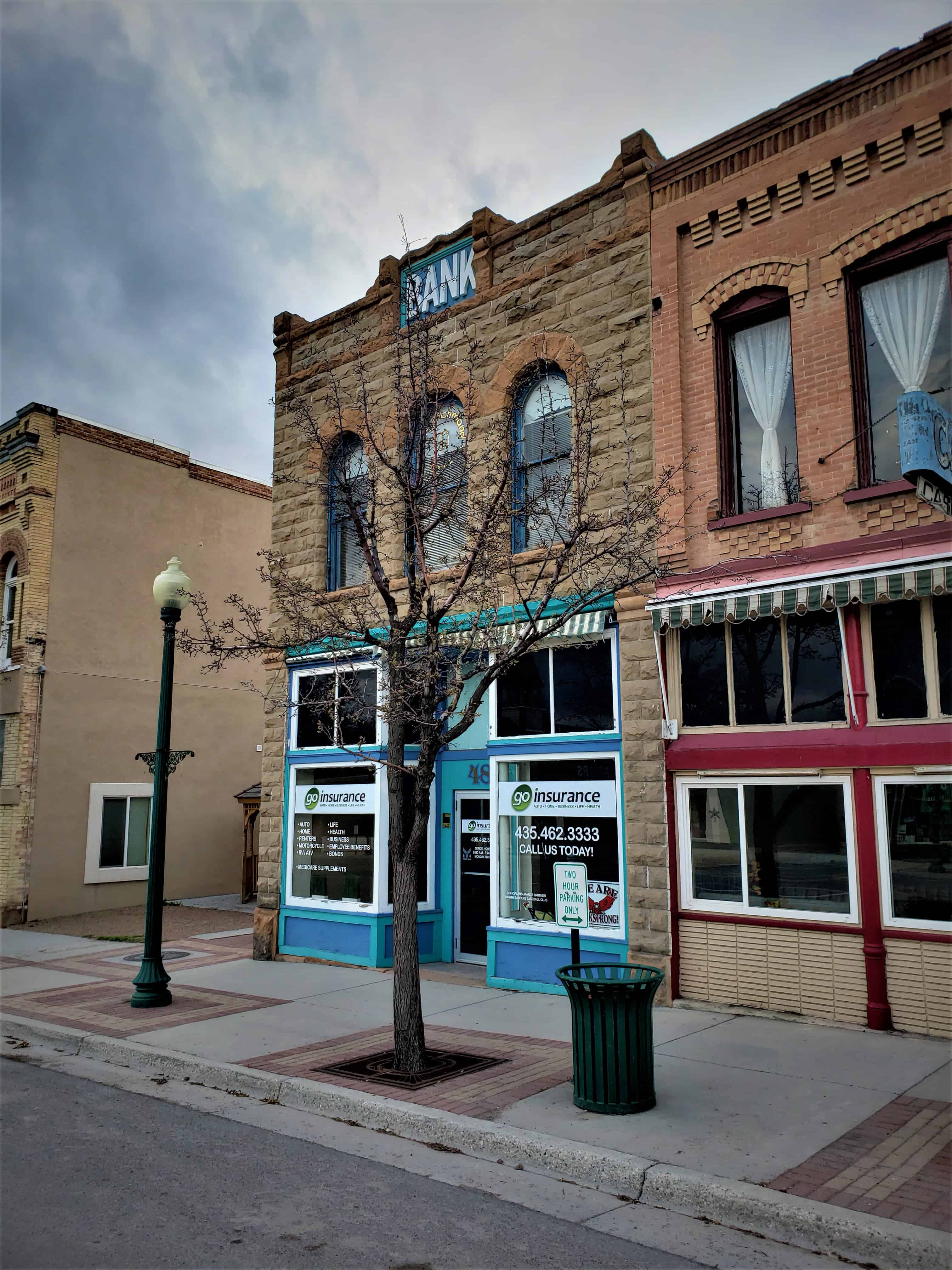
Mt. Pleasant’s Main Street is the commercial heart of a Sanpete County town that grew from a pioneer settlement into a livestock boom town, then kept those storefronts standing. The brick, the stone bank, and the painted wood are still the face of downtown.
The city is a Tier 2 Affiliate in the Utah Main Street network. Utah Main Street is a Coordinating Program of Main Street America. That affiliation is a local commitment to a proven way of taking care of a historic downtown: the people who work here, the buildings that still stand, and a plan that can last.
This page is the city’s Main Street Program home. Use the buttons above, or the links in this article, for the Four-Point Approach, a short downtown history, the digital walking tour, the district map, and the business list.
A preservation-based Main Street
Utah Main Street asks each community to follow Main Street America’s Four-Point Approach: Organization, Promotion, Design, and Economic Vitality. It is a preservation-based economic development tool, not a one-time makeover. The work uses what is already special on this street, then puts local time and money on a focused path.
Design work in the district should follow the city’s Main Street Design Guidelines. Those guidelines are the public standard for storefronts, signs, and other changes that keep the historic character of the street while making it usable. The full write-up of the four points is on the Four-Point Approach page.
How the street grew
The first settlement here, called Hambleton, went up in early 1852 and was abandoned in 1853. Mormon converts from Denmark resettled the old townsite in 1859, surveyed the city, and began a fort. Stores later moved out of the forts onto Main and State streets.
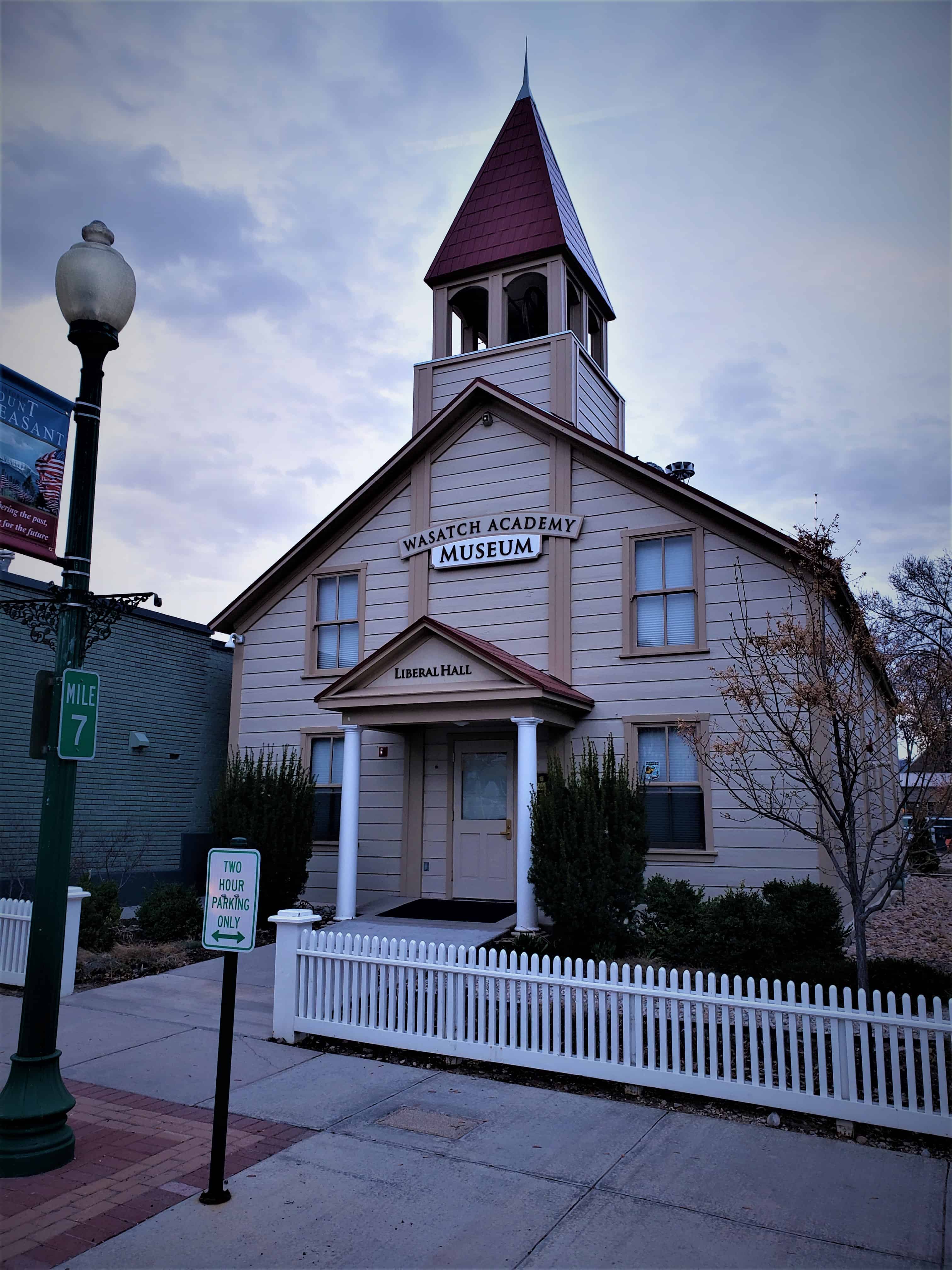
Liberal Hall, begun in 1874 and finished in 1875, is still standing. It was a center of religious dissidence and the first home of Wasatch Academy when Duncan McMillan opened school and church there. Today the signs read Wasatch Academy Museum and Liberal Hall.
The railroad reached town in 1890. Grain came first. High quality sheep, especially Merino and Rambouillet, later paid for much of the commercial district you can still walk. A relatively small group of livestock men, and the local builders they hired, raised those blocks at the peak of that prosperity.
The Downtown History page tells that story in more detail and looks at six buildings still on the route: Liberal Hall, City Hall, the Pioneer Monument, the Lundberg Block, the North Sanpete Bank, and the N.S. Nielson Home.
Walk it yourself
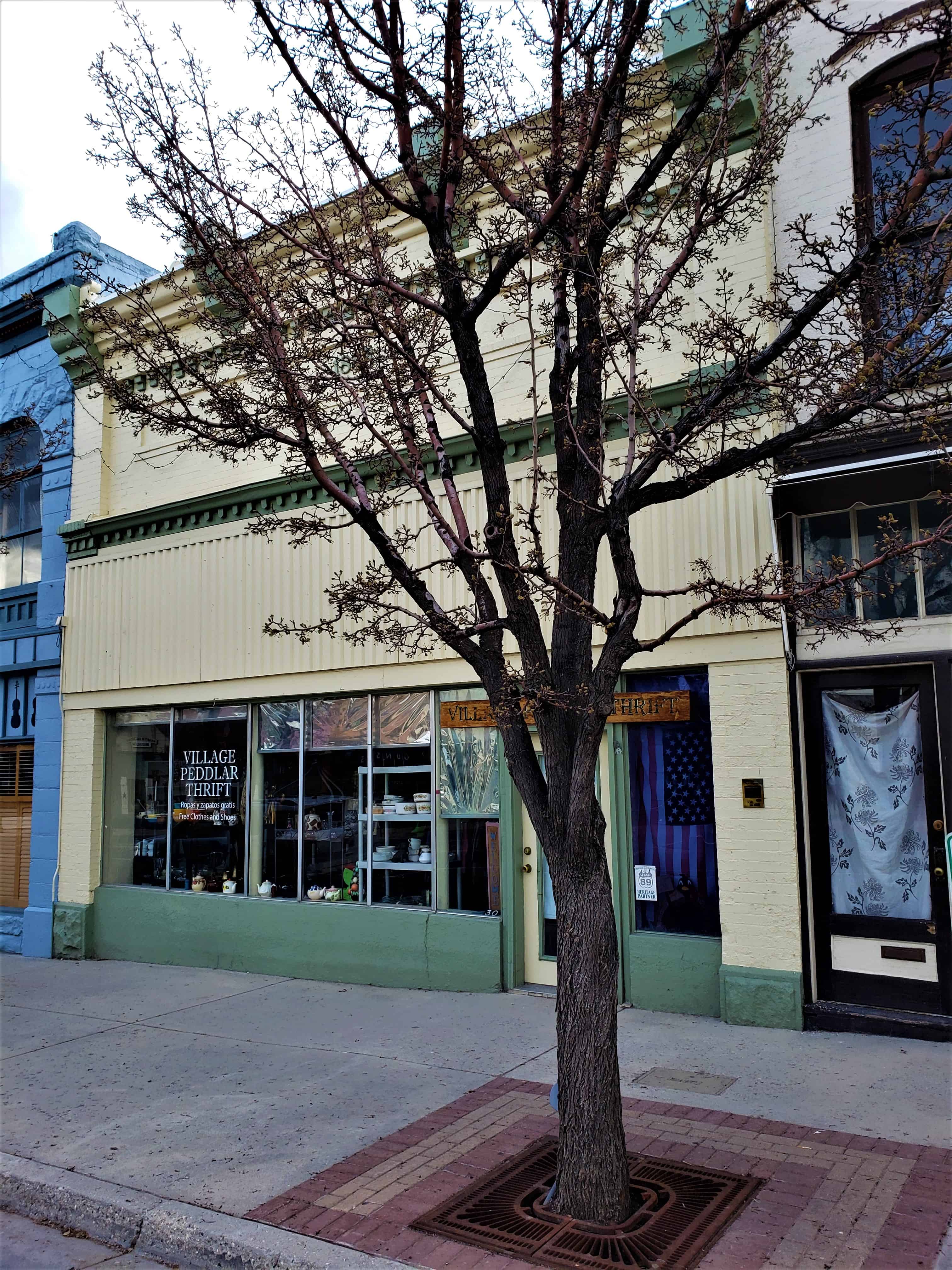
The digital walking tour is self-guided. Open it on a phone downtown, or sit at home and tap a building. Each stop has who built it, what it was, and what you can still see from the sidewalk.
The tour starts with the history of Mt. Pleasant, then moves from City Hall and Liberal Hall through the banks, shops, churches, and homes that still shape the street.